
HVAC installation Business Insurance
HVAC Installation Business Insurance
Protecting HVAC installation businesses involves more than just standard coverage: You’re working with heavy equipment, electrical systems, ladders, and clients’ property that’s at risk. HVAC Installation firm Insurance protects your firm from liability, property damage and employee harm. Protect your livelihood and reputation when you install air conditioners, furnaces or ducting. Without sufficient protection, a single accident or bad installation can snowball into expensive legal claims or property problems.
HVAC work overlaps with plumbing, electrical and structural systems, so insurers look more closely at operations. Errors can cause water damage, electrical issues or even fire, so you need strong coverage. In California, many clients, residential or commercial, require evidence of insurance before allowing an HVAC contractor to enter the construction site. HVAC insurers typically package general liability, property, and workers’ compensation policies to keep prices down while ensuring full protection, according to Insureon.
Your insurance policy should be commensurate with the size of your firm. A one-man HVAC installer has exposures that are significantly different than a corporation serving huge commercial systems. Important features include covering for client property, legal defenses, equipment transit, and liability from installation faults or accidents. The correct plan provides confidence to quote, satisfy customer objectives and operate safely.
Our Vision
We aim to be the most trusted and reliable insurance partner for installation businesses of all sizes. By providing comprehensive protection and innovative solutions, we strive to empower installers to grow their trade with confidence.
Contact Us Today!
Our Mission
Our mission is to deliver affordable, tailored insurance solutions designed specifically for the installation industry. We understand the unique risks faced by installers, whether it’s appliance installation, HVAC, flooring, or custom cabinetry.
Contact Us Today!
Our Vision
Our goal is to simplify insurance for installation professionals by making it easy to understand, accessible, and tailored to each business’s needs. We aim to ensure every client feels secure, confident, and fully protected, no matter the size of their projects.
Contact Us Today!
General Liability for HVAC Installation
General Liability Insurance is the backbone of protection for HVAC installation businesses. It covers bodily injury and property damage claims from third parties that arise during your operations. For example, if your technician drops a tool and cracks a client’s floor or accidentally leaks refrigerant into a client’s living space, GL steps in to handle legal defense, settlement, or judgments. Insurance Inc. emphasizes that GL is among the “most popular and basic” coverages for HVAC businesses for these reasons. Insurance Incorporated
This kind of coverage also includes completed operations protection, meaning issues arising after your work is done—say, a leaking duct or failed seal—can still fall under your liability policy. The Hartford notes that HVAC insurers offer general liability to cover client claims of property damage or injuries during operations.
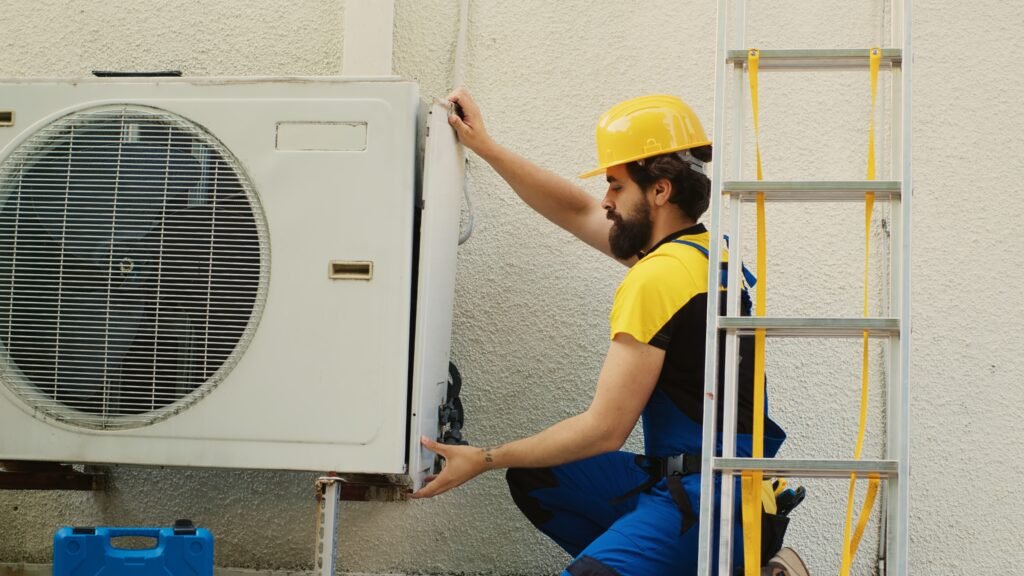
BOP (Business Owner’s Policy) for HVAC Installers
A Business Owner’s Policy (BOP) is an affordable, easy method for HVAC installers to combine basic coverages – liability and property — into one comprehensive policy. For HVAC companies, the property section of a BOP encompasses your shop, inventory (furnaces, AC units) and sometimes equipment on or off-site. A BOP, Grange Insurance says, allows small trades to package essential coverages on attractive terms.
If your HVAC company owns or leases a building, the BOP protects you from damages like fire, vandalism or theft of your inventory or service shop. Some BOPs provide business interruption coverage so you can recoup lost revenue if a covered incident compels you to suspend operations. HVAC contractors frequently prefer the BOP’s packaged structure since it’s easier to administer and prices are usually lower than the sum of separate policies.
But not all elements are automatic. Mobile tools, pricey field equipment or things in transit often need endorsements or supplementary coverage. Always check with your insurer to make sure the BOP completely covers your HVAC inventory, installed systems that are awaiting deployment and property on premises.
Commitment
Workers’ Compensation for HVAC Installation
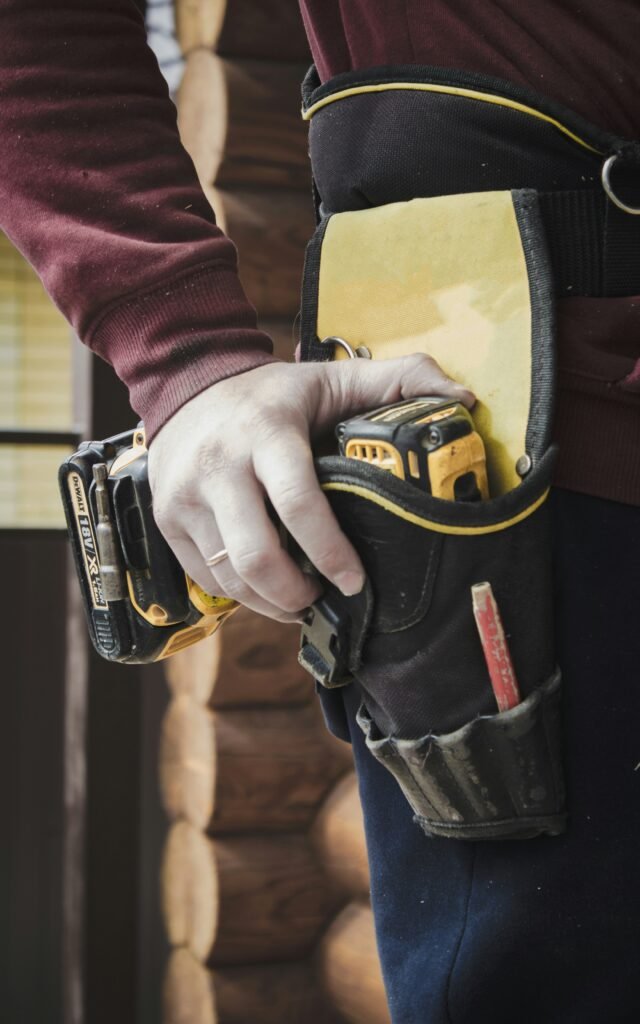
HVAC work is physically demanding. Lifting heavy equipment, ladders, duct placements and working in tight or elevated spaces is all physically taxing. Your coverage pays for medical care, missed income and rehabilitation costs if workers are harmed – and this is paid for under your policy, not by your firm or the injured person.
Workers compensation is required by law in California and in many states for every business that has employees. The Contractors State License Board (CSLB) frequently requests documentation of workers’ comp before renewing or maintaining HVAC licenses. According to NextInsurance, California law requires licensed contractors to cover workers’ compensation if they have employees.
We cover both unexpected accidents (falls, wounds) and occupational ailments (repetitive stress, chemical exposure). Good classification, safety training and recordkeeping might lower your premium. Be sure your policy fits your personnel and job dangers.
Frequently Asked Questions
What types of insurance do HVAC contractors need in California?
HVAC contractors commonly need general liability, BOP, workers’ compensation, commercial auto, and tools & equipment insurance.
How much does insurance cost for HVAC businesses?
Costs vary widely based on revenue, number of employees, job risks, and claims history. General liability for HVAC contractors often ranges from a few hundred to over a thousand dollars annually.
Is workers’ compensation required for HVAC businesses?
Yes, in California and many states, businesses with employees must carry workers’ comp insurance.
Does general liability cover damage to client property during HVAC installation?
Yes, if your work accidentally causes property damage (e.g. cutting a pipe, water leaks, structural damage), the general liability policy often addresses those claims.
Will a BOP cover my HVAC equipment stored at my shop?
Yes, BOP property coverage often includes workshop inventory, repair parts, and stored equipment.
Do I need separate insurance for tools and field equipment?
Very likely. Tools and equipment used off premises or in transit may require separate coverage or endorsements outside standard BOP or GL policies.